
Geotechnical vs. Structural Engineer: Which Do I Need for a Foundation Problem?
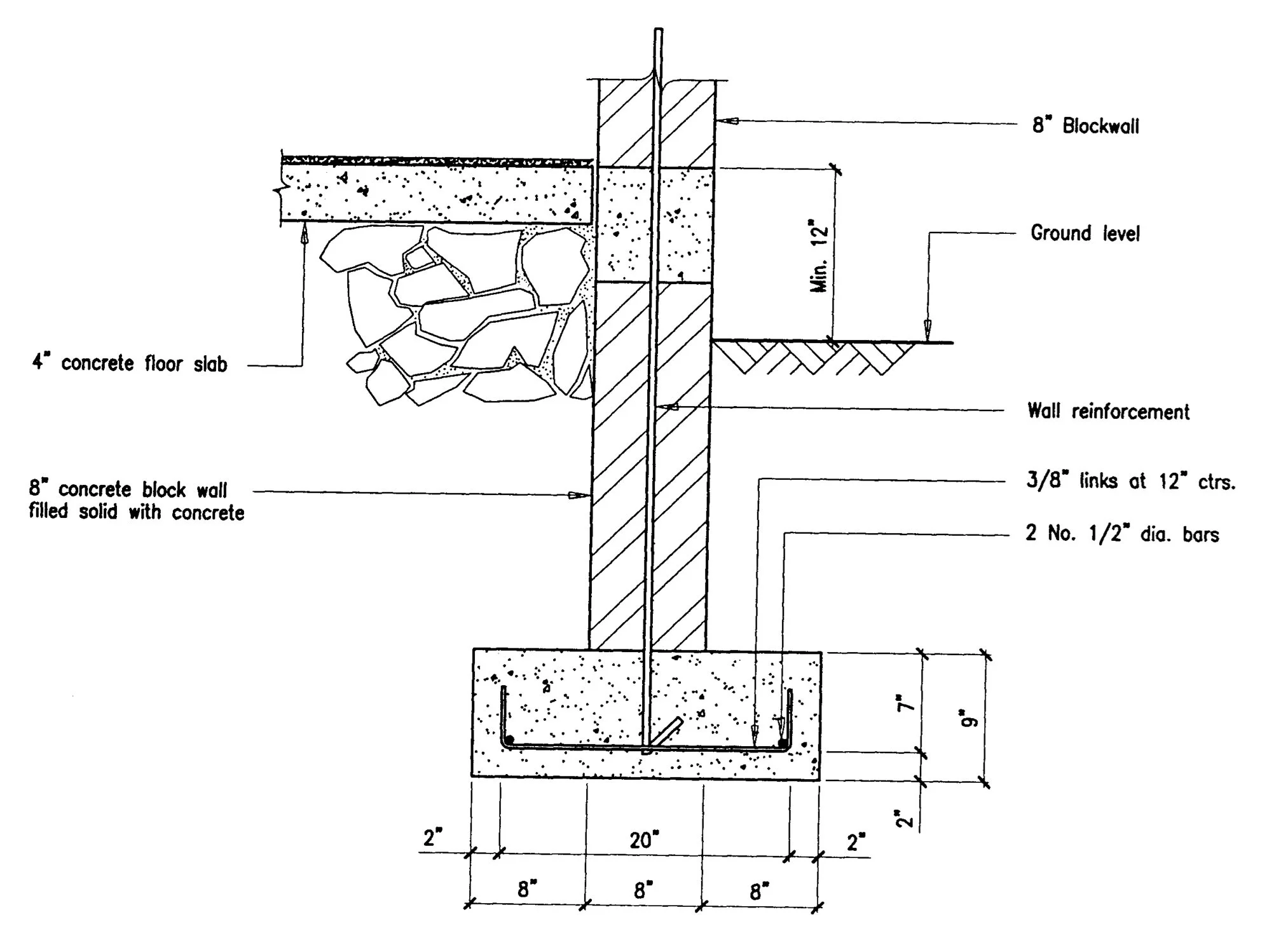
Do I need a Geotechnical or Structural Engineer for my foundation problem?
Foundation concerns are often described in structural terms — cracks in walls, uneven floors, or doors and windows that no longer operate properly. While these symptoms appear structural, the underlying cause frequently begins in the soil beneath the building.
Understanding the difference between structural and geotechnical roles can help clarify where evaluation should begin.
Structural perspective
Structural engineers evaluate how a building carries load and how its components perform. Their focus includes:
Framing, load paths, and structural elements
The integrity of beams, walls, and foundations
How a structure should be reinforced or repaired when needed
Their work addresses the behavior of the structure itself.
Geotechnical perspective
Geotechnical engineers evaluate how the soil supports the structure. Their focus includes:
Subsurface soil conditions
Moisture-sensitive soils and movement potential
Settlement, bearing capacity, and soil variability
How soil behavior influences foundation performance over time
Their work addresses the behavior of the ground beneath the structure.
Why the two disciplines often intersect
In practice, structural engineers frequently request geotechnical input when foundation concerns arise. Structural distress is often a symptom of soil movement rather than a failure of structural components.
Understanding soil behavior can clarify whether structural repair is necessary — or whether the focus should be on the conditions below the foundation.
Situations where geotechnical evaluation may be helpful first
Geotechnical input is often useful when:
Cracking appears across multiple areas of a building
Floors are uneven or settlement is widespread
Doors and windows stick throughout the structure
Changes follow drainage, grading, or nearby excavation
Recommendations about repair are inconsistent
These patterns often indicate soil-related movement rather than isolated structural issues.
Situations where structural evaluation may be appropriate first
Structural evaluation may be the logical starting point when:
There is visible damage to framing or load-bearing components
Structural modifications or additions are being planned
Reinforcement or redesign of structural elements is required
Often, the two disciplines work together once the source of concern is better understood.
Local conditions influence the answer
Soil conditions in Albuquerque, Santa Fe, and surrounding New Mexico communities vary widely. Moisture-sensitive soils, variable fill, and site history often influence how buildings perform over time. These factors can make the distinction between structural and soil-related concerns less obvious without evaluation.
Where to start when unsure
When the source of foundation concerns is unclear, starting with a geotechnical perspective can help determine whether the issue originates in the soil, the structure, or both. In many cases, this initial understanding guides whether further structural evaluation is necessary.
Perspective
Foundation problems are rarely purely structural or purely geotechnical. They often involve an interaction between the building and the ground it rests on. Recognizing the role of each discipline helps ensure that evaluation and decisions are based on underlying causes rather than visible symptoms.
Geotechnical vs. Structural — Roles at a Glance
Geotechnical Engineer — Primary Focus
Evaluates soil and subsurface conditions
Determines bearing capacity and settlement potential
Assesses soil variability, fill, and groundwater conditions
Recommends appropriate foundation type and depth
Performs borings, sampling, and soil testing
Evaluates moisture-sensitive soils and site history
Guides grading, drainage, and earthwork considerations
Identifies risks caused by soil movement or poor site conditions
Answers: “What is the ground doing?”
Often involved before design and construction begins
Helps determine whether structural repair is necessary at all
Structural Engineer — Primary Focus
Evaluates the building and its load-carrying components
Analyzes load paths, stresses, and structural integrity
Designs beams, columns, slabs, walls, and reinforcements
Assesses cracking patterns and structural performance
Performs structural calculations and repair design
Identifies risks from overstress, deflection, or material failure
Guides framing, connections, and strengthening methods
Answers: “What is the structure doing?”
Often involved during design or after distress becomes visible
Determines how to repair or reinforce when needed
How the Two Work Together
Soil behavior influences how structures perform
Structural response often reveals what the soil is doing
Many foundation issues require both perspectives to reach the right conclusion
